National Feral Cat Day!
Sunday, October 18th, 12 noon to 3pm at Feral Fixers 330 Eisenhower Ln N, Lombard, join us for our National Feral Cat Day Celebration! We will have a bake sale and items from out Boutique. Donations from our Wish List will be gratefully accepted! Socialize with other cat people! We know we are competing with da Bears but you can still stop in for a visit! Hope to see you there!
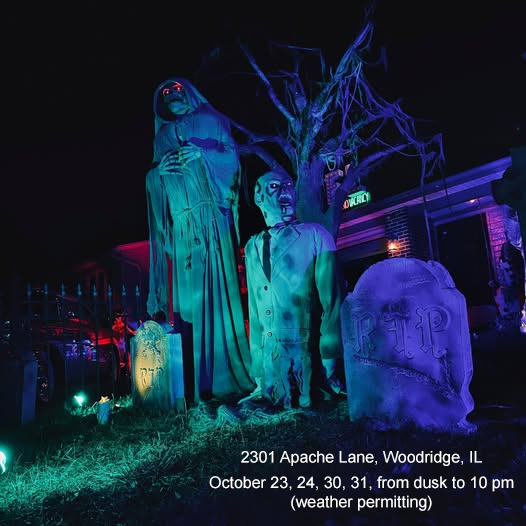
Visit Apache Halloween
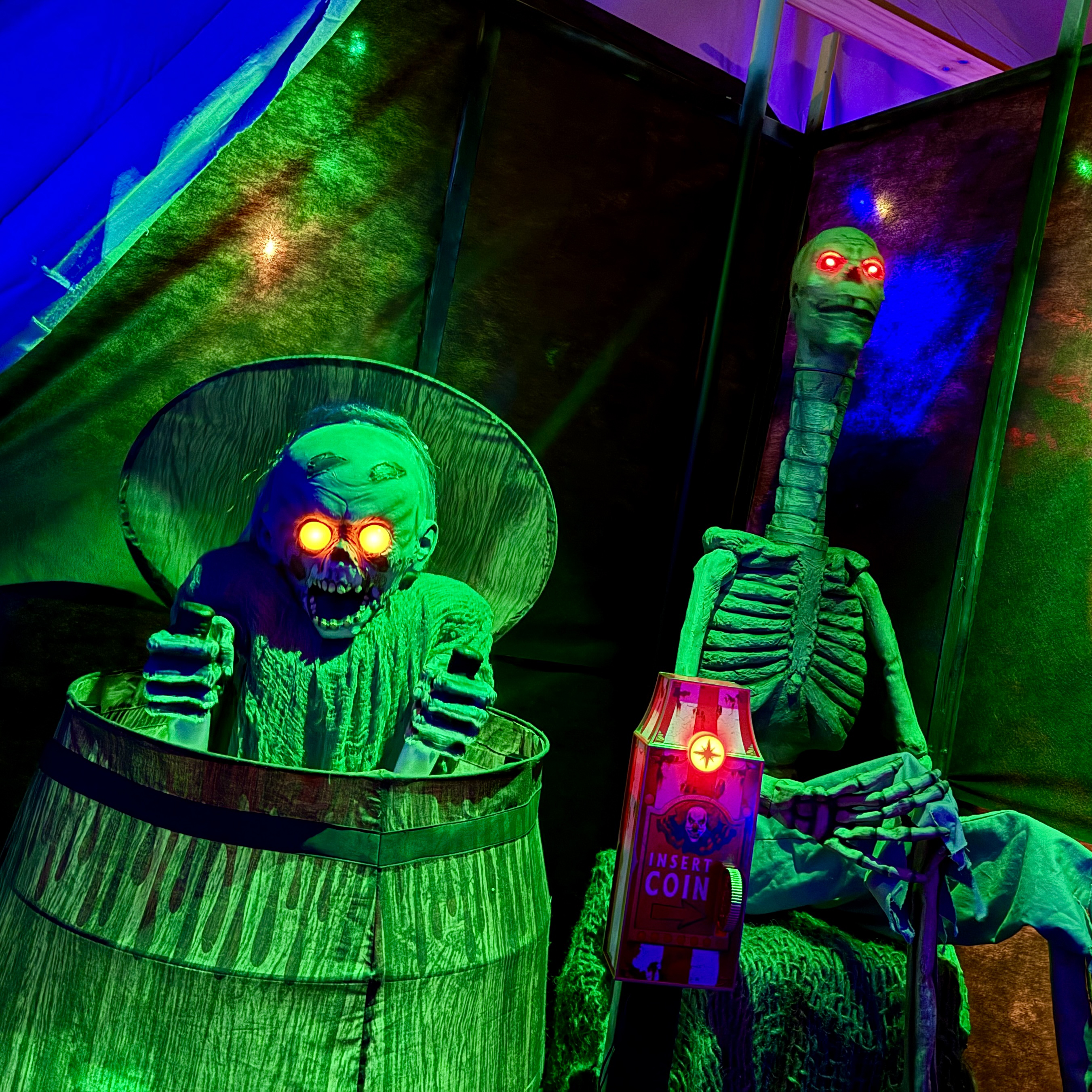
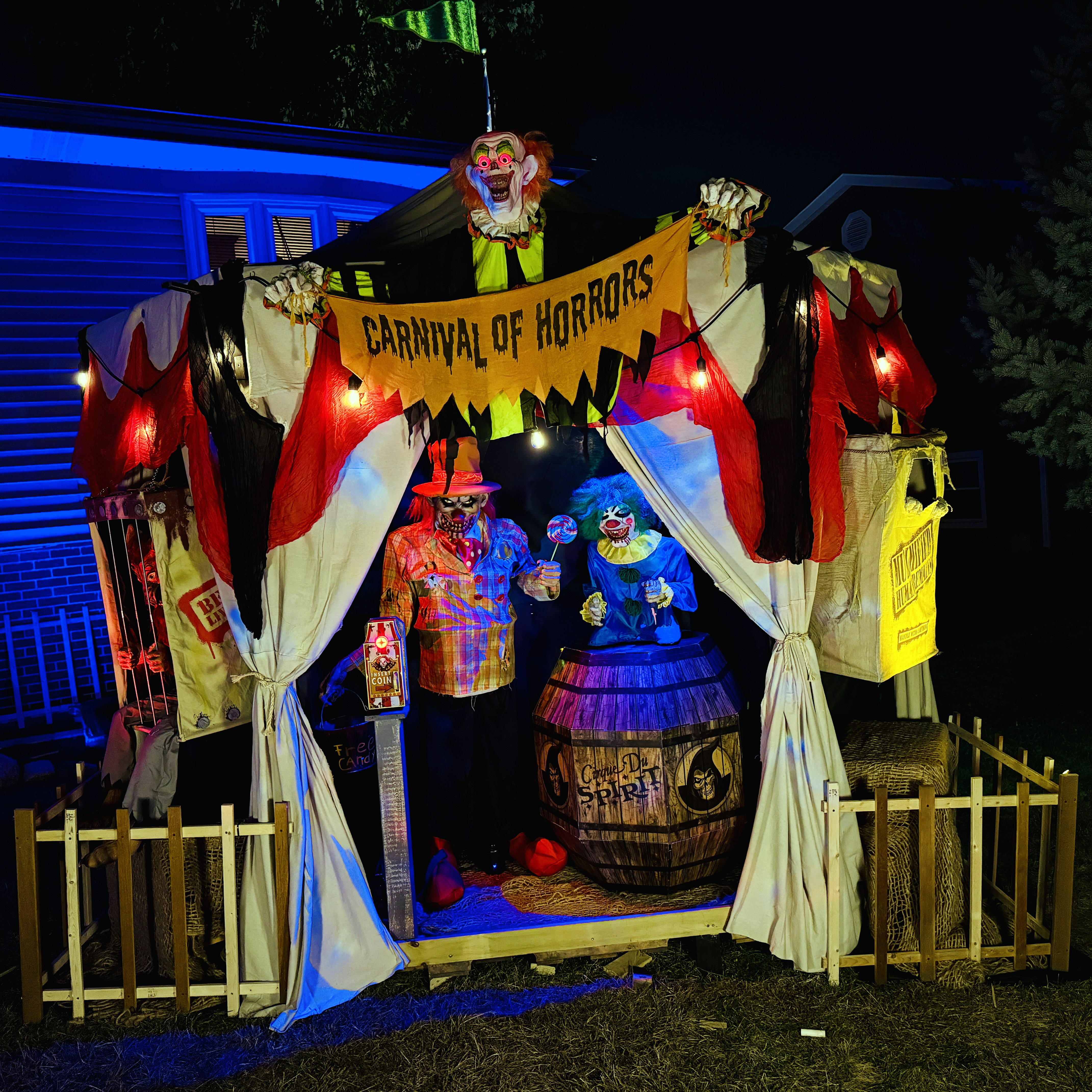
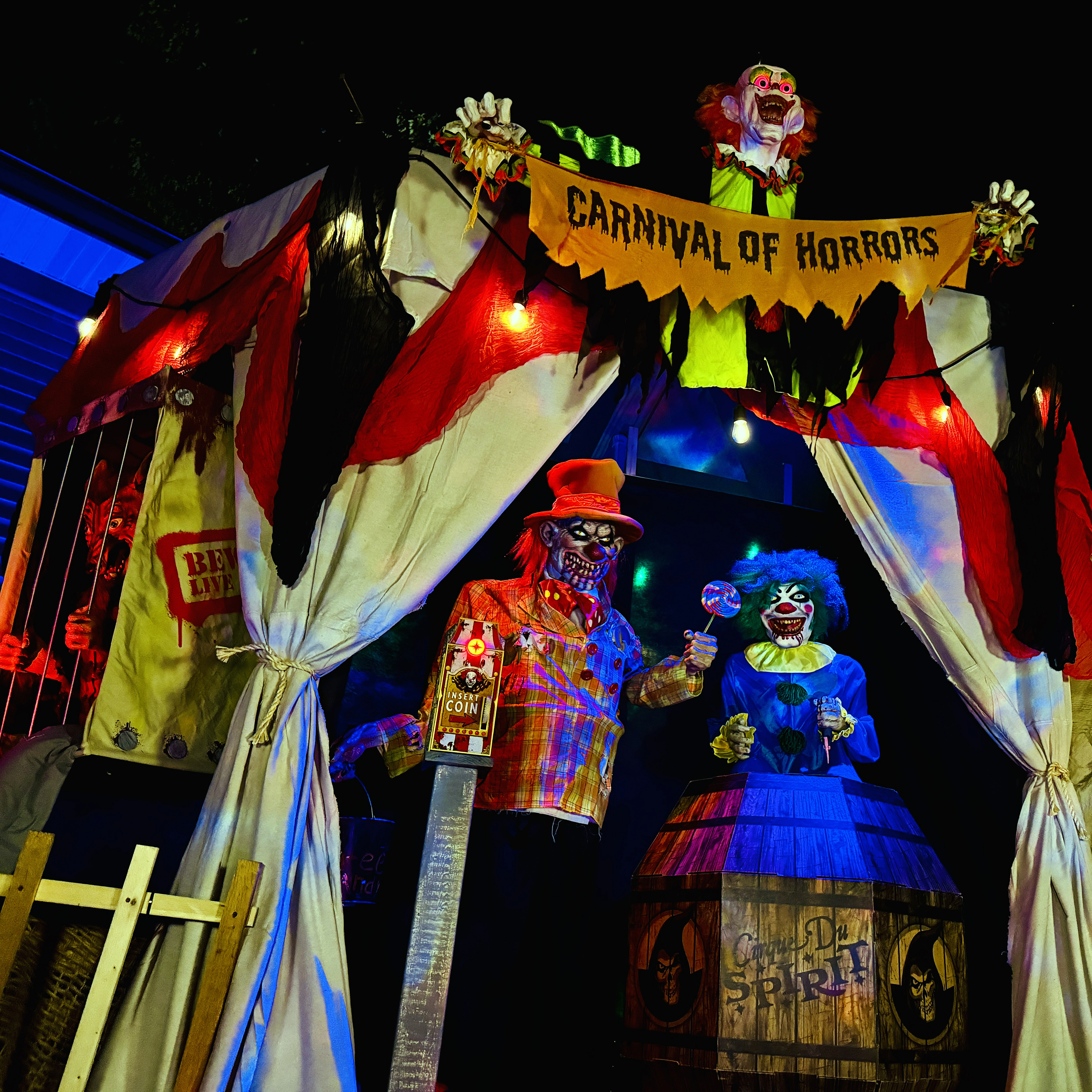
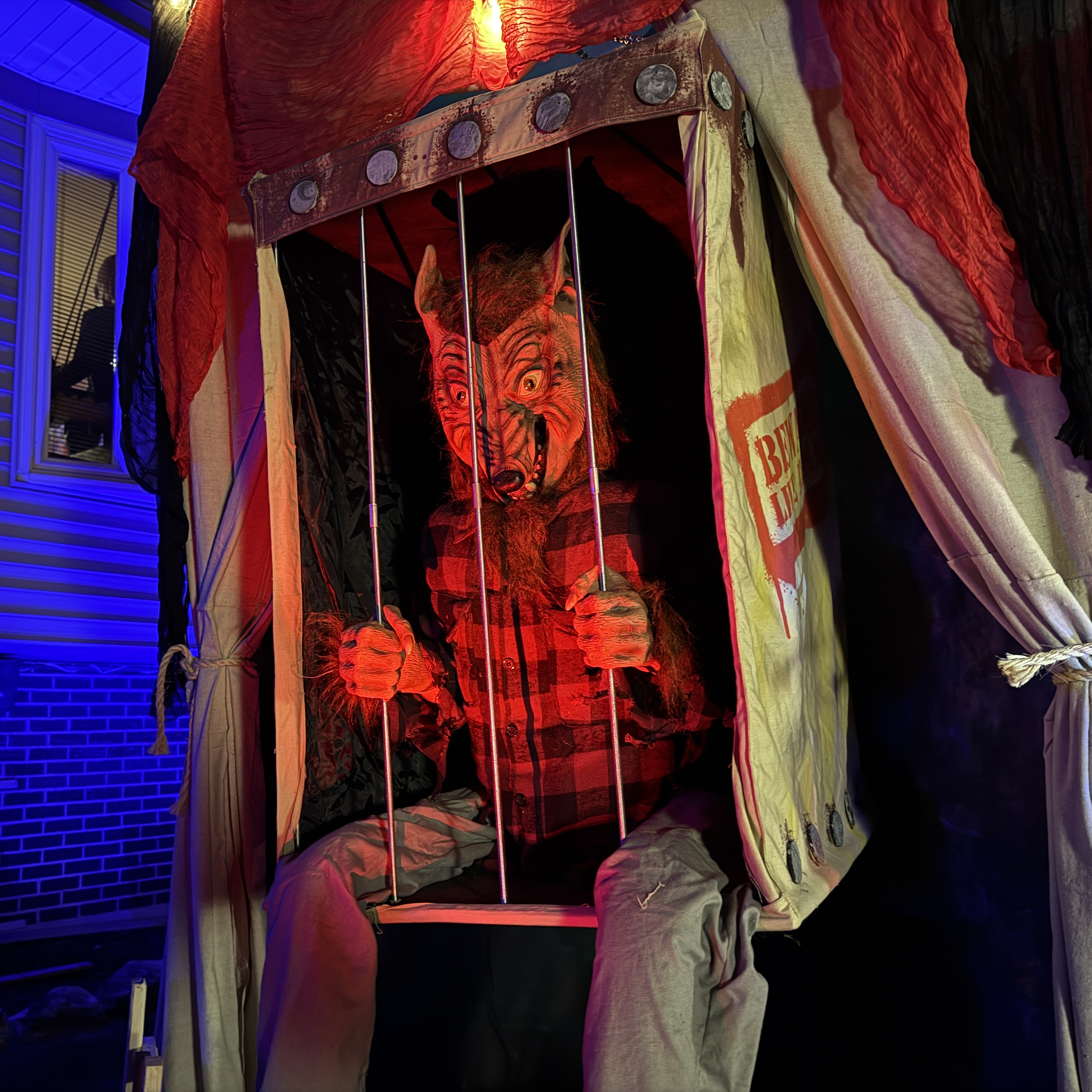
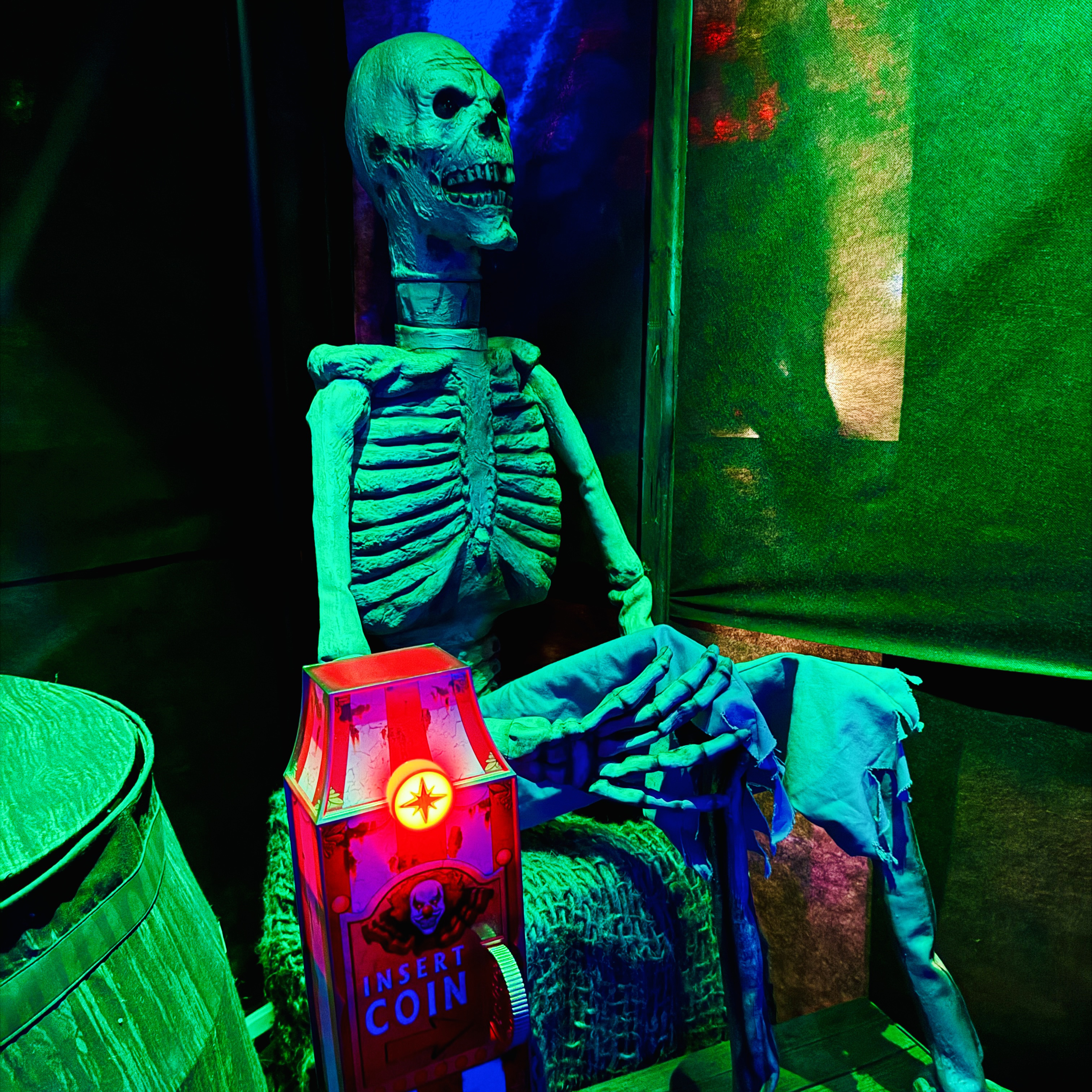
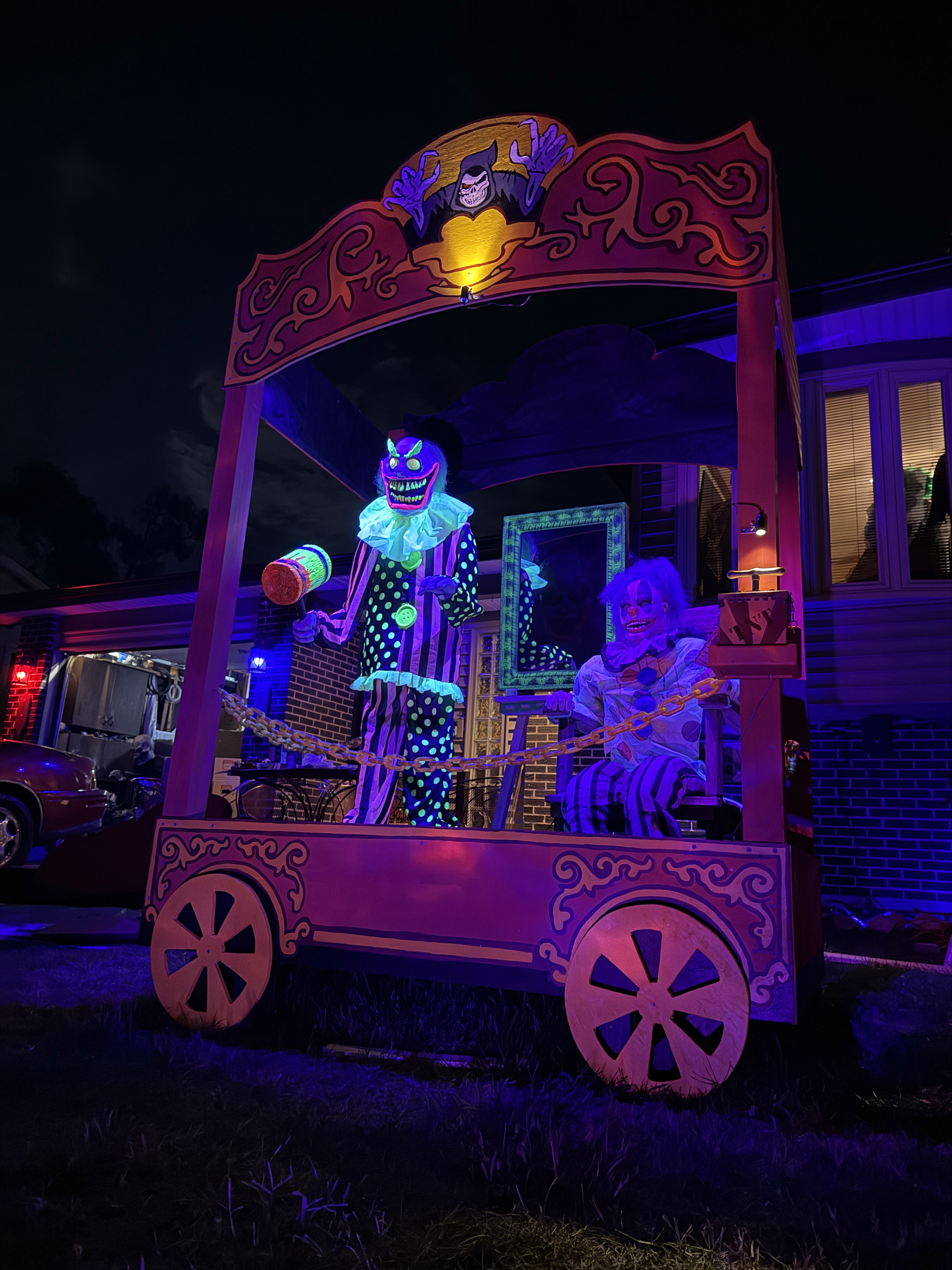
Visit Apache Halloween, 2301 Apache Ln, Woodridge on October 23, 24, 30, 31, from dusk to 10 pm (weather permitting). Only a week away! Walk thru a family friendly, haunted yard that includes cemeteries and more! Enjoy the animatronics! Visitors often make donations to a designated charity and Feral Fixers has been chosen. We helped TNR their feral in the past and are showing their appreciation for our help Hoping clear weather! Can’t wait to see what they create this year! Have a great time!
Bits n’ Pieces
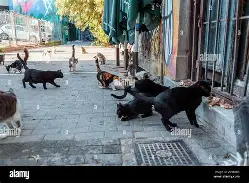
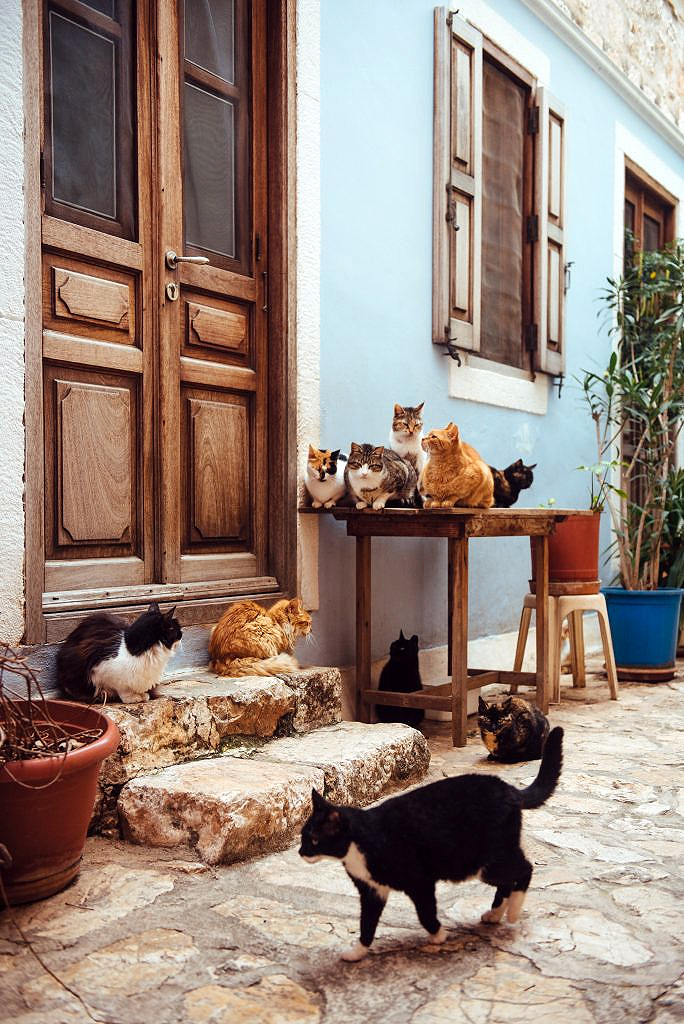
S/N Slots – We’ve been trying to work around the lack of veterinarians and therefore a lack of spay/neuter slots. We have feral surgeries scheduled for 10/22 with only 15 slots. Phone rings constantly. Today’s farthest inquiry was from Marion Illinois – how do we get Google to emphasize that we work in DuPage County? That lady just called again to let us know that NO ONE else lists their phone number in their posts – we may have to work on that but we have always been able to be so responsive in the past (: Think about this - have you seen the volume of free-roaming cats in Greece and Italy? That is where we are headed. Please do not be frustrated with us but instead contact your local political candidate and ask them to direct funds toward spay/neuter! Bring it up when you have access – there are so many worries these days, increasing spay/neuter can improve people’s lives!
No S/N in November at this time. We’ll see if something will open up. Still planning to stop by December1st to return in February 2027.
Black Cat Giving Tuesday Fundraiser, 12/1 to 12/31. Giving advance notice of our next matching funds fundraiser from 12/1 to 12/31/ 2026. This fundraiser gives us a chance to promote the black cats we have on hand for adoption while raising funds to carry us thru the next year – 2027 is so close! Keep an eye out for our Giving Grid post and plan your end of the year donations!
October Already!
Still trying!
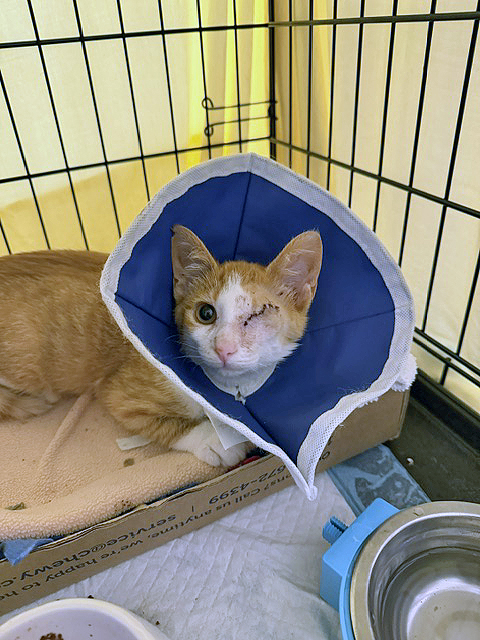
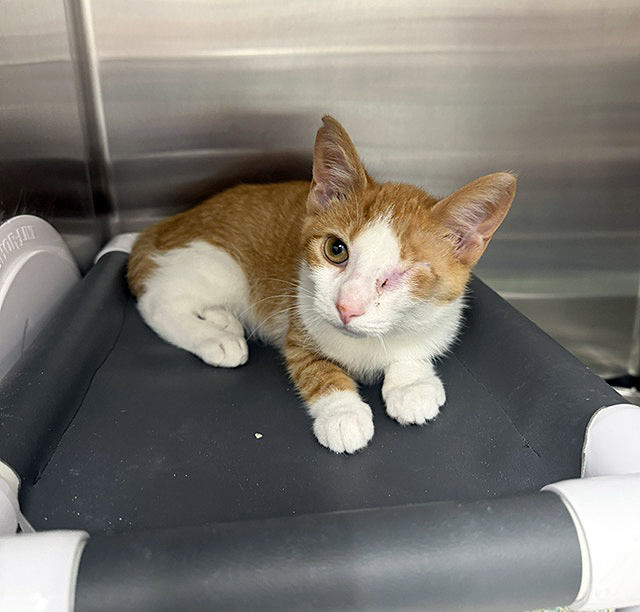
- 9/24 – VCA – 1 friendly male – Almost forgot! Barnie was neutered during his eye removal – we try not to ‘waste’ a sedation if possible.
- 10/8 – ADOPT – 4 friendlies, 2 male, 2 female
- 10/8 – DCAS – 14 ferals, 8 male, 6 female
Additional September 1, October total so far 18, 2026 564, 17109 since 2007.
As Many As Possible As Soon As Possible